A Little History of Flowers in Art
Tulip mania, impossible bouquets, Van Gogh’s yellow obsession, and Monet’s garden.
Anastasia Tesler
05 min read

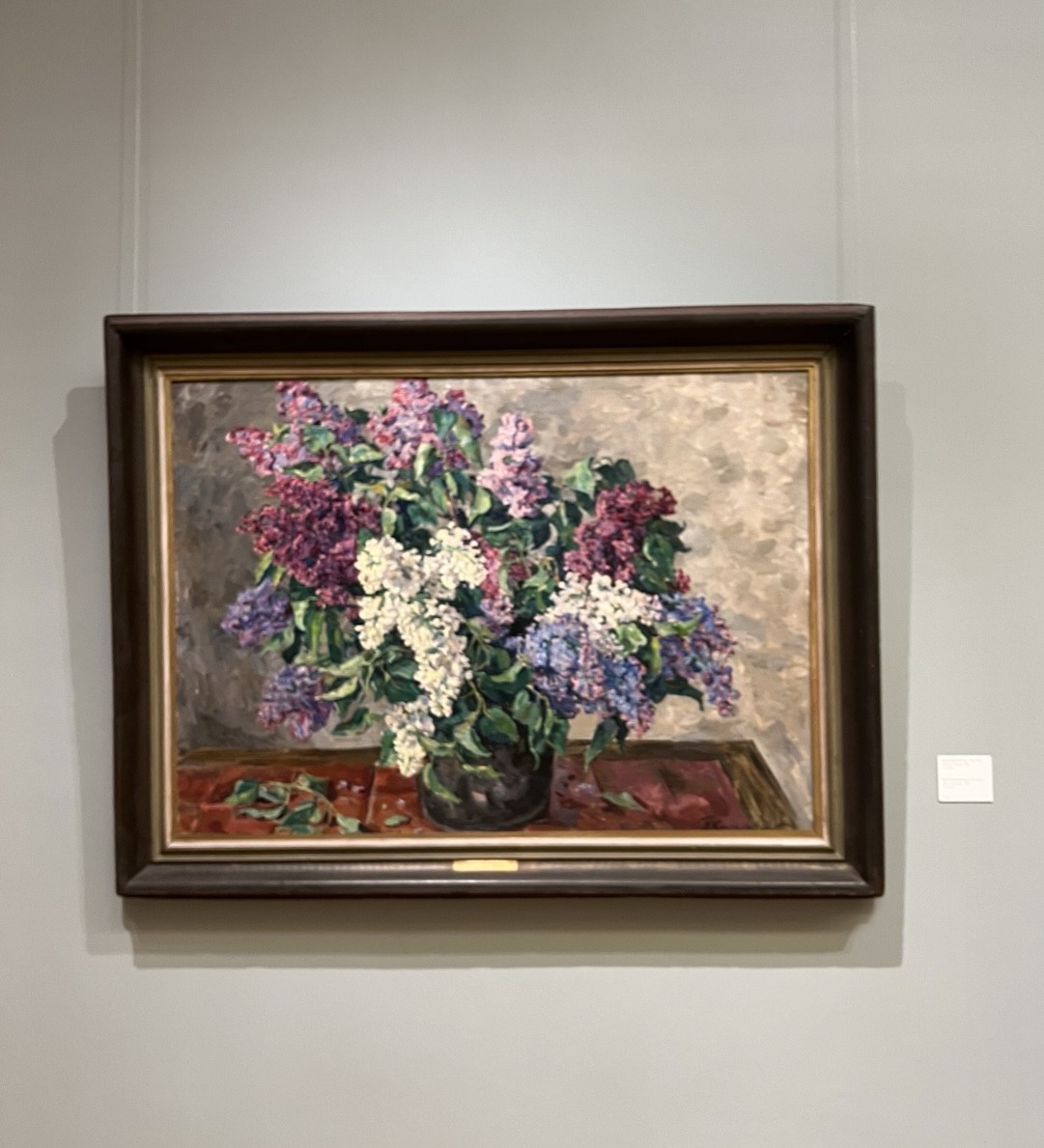
I’ve been noticing how many paintings of flowers there are in museums. Not that it’s particularly surprising. Flowers are beautiful, and people have always liked having beautiful things around them. But after seeing so many different versions, from tiny Dutch still lifes to Monet’s enormous water lilies, I started wondering what made artists so interested in them in the first place.
And it turns out that flowers have a rather interesting history in art.
When Tulips Were Expensive
In the seventeenth-century Netherlands, tulips were a luxury. They had been introduced to Western Europe from the Ottoman world, and rare varieties became especially popular among wealthy collectors.
The most desirable ones had unusual striped petals. What people didn’t know at the time was that these patterns were caused by a virus.
By the 1630s, some tulip bulbs were being sold for extraordinary amounts of money. People began buying and selling them speculatively, hoping their prices would continue to rise. Then, in 1637, the market collapsed.
The whole episode became known as Tulip Mania.
The popular stories about people losing entire fortunes and the Dutch economy collapsing are mostly exaggerated. Still, the fact that people were willing to spend so much money on a flower bulb is pretty fascinating.
Around the same time, flower paintings were becoming increasingly popular.
Flowers That Couldn’t Exist
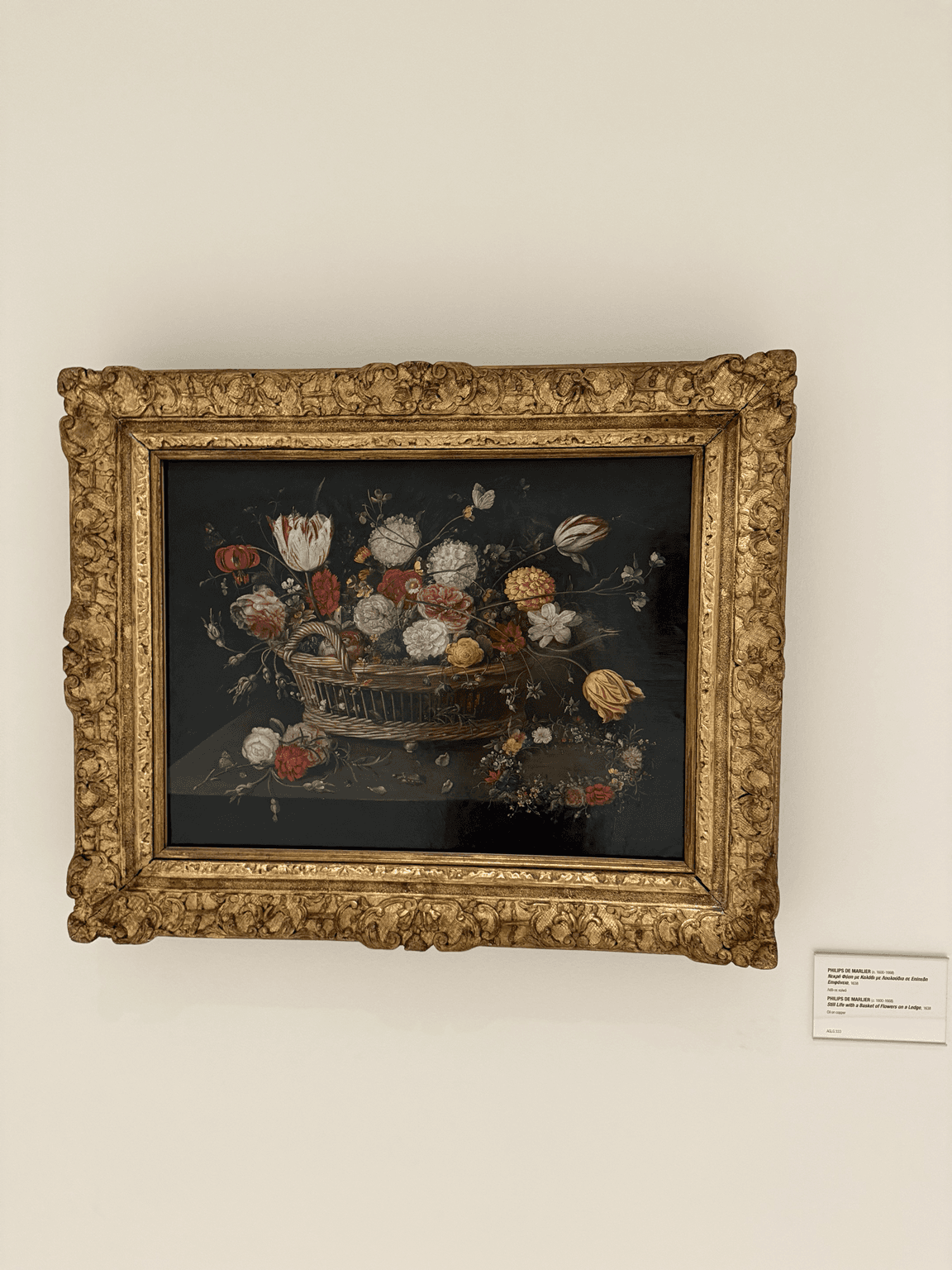
One of my favourite details about seventeenth-century flower paintings is that many of the bouquets weren’t actually possible.
Artists would paint tulips, roses, carnations and other flowers together, even though they bloomed at different times of the year. They often worked from studies made in different seasons, putting everything together into one perfect arrangement.
So while the paintings look incredibly realistic, the bouquets themselves could be completely imaginary.
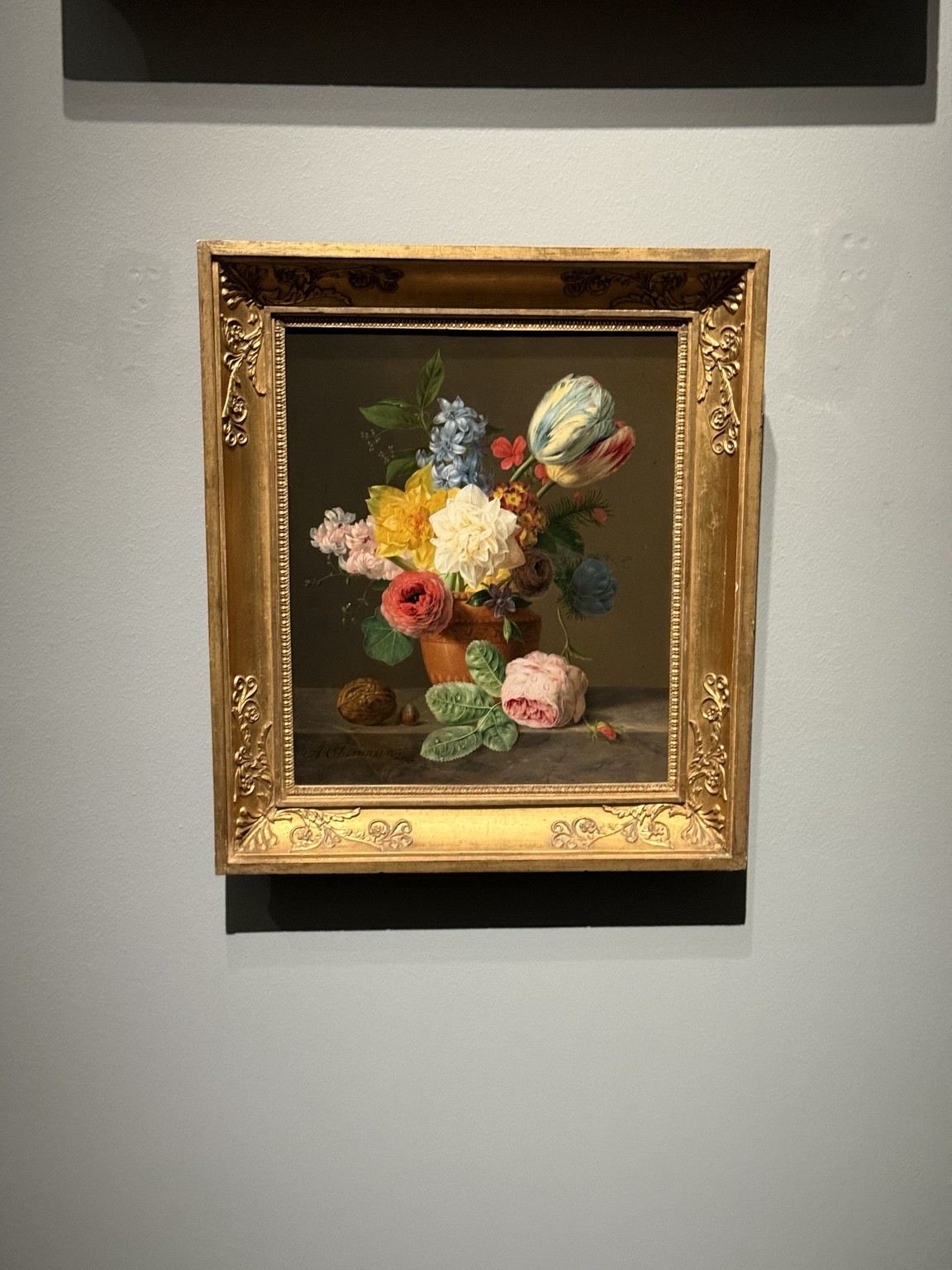
There was also a darker side to them.
Flowers were often associated with the passing of time. A blooming flower could represent beauty and life, while a fading one was a reminder that neither lasts forever. In some paintings, insects and damaged leaves added to the symbolism.
I find it interesting that people would commission these beautiful arrangements to decorate their homes, knowing that part of their meaning was about death.
At least the painted flowers wouldn’t wilt.
Van Gogh and His Sunflowers
A couple of centuries later, Van Gogh was painting flowers in a completely different way.

His Sunflowers are probably among the most recognisable flower paintings in the world. He painted several versions in Arles in 1888 and 1889, including works intended to decorate the room he was preparing for Paul Gauguin.
What I love about them is how much he manages to do with yellow. The background is yellow, the table is yellow, the flowers are yellow, and somehow everything still looks different.
Some of the sunflowers are fully open, others are beginning to dry out. He doesn’t try to make every flower look perfect.
His Irises are just as interesting. The blue-violet flowers almost seem to move against the yellow background, with their leaves twisting in different directions.

And here’s something I didn’t know: some of Van Gogh’s purple pigments have faded over time. Certain flowers that originally looked more violet now appear noticeably bluer.
So even paintings of flowers aren’t completely permanent.
Monet’s Garden
Monet took his interest in flowers a little further. Instead of just buying bouquets to paint, he created an entire garden.
At his home in Giverny, he carefully selected and arranged plants, paying attention to their colours and how they would look together.

In 1893, he began developing his famous water garden, with its pond, Japanese-style bridge and water lilies.
He then spent decades painting it.
What I find particularly interesting is how his paintings changed over time. In his earlier garden scenes, you can still make out the paths, the flower beds and the surrounding landscape.
But in his later Water Lilies, everything starts blending together. The reflections of trees mix with the water, the sky and the flowers. Sometimes it’s difficult to tell where one thing ends and another begins.

Monet became so absorbed in this subject that he eventually worked on enormous decorative panels. Eight of them are now displayed across two oval rooms at the Musée de l’Orangerie in Paris.
It’s quite funny to think that some of the most famous paintings in the world came from a garden he designed himself.
And We Still Love Flowers
Flowers have never really disappeared from art. They appear in contemporary paintings, photography, sculpture and installations, sometimes with elaborate meanings and sometimes simply because they’re beautiful.

Looking at all these works together, I think that’s what interests me most. The subject is so ordinary, yet every artist seems to find something different in it.
For Dutch collectors, flowers could be luxury objects. For Van Gogh, they were a way to experiment with colour. Monet turned his own garden into a subject he could return to for the rest of his life.
And centuries later, we’re still buying flowers, photographing them and trying to make them last a little longer.
Some things don’t really change.
Photography: Glow After
Article Tags
Art, Creative industries, Art History, Claude Monet, Van Gogh