The Ordinary Built a Giant Salmon for Its New Eye Cream
A chrome fish, tins full of skincare science and a vegan take on one of beauty’s buzziest ingredients: inside The Ordinary’s London pop-up for its first eye cream.
By Maria Pri
04 min read
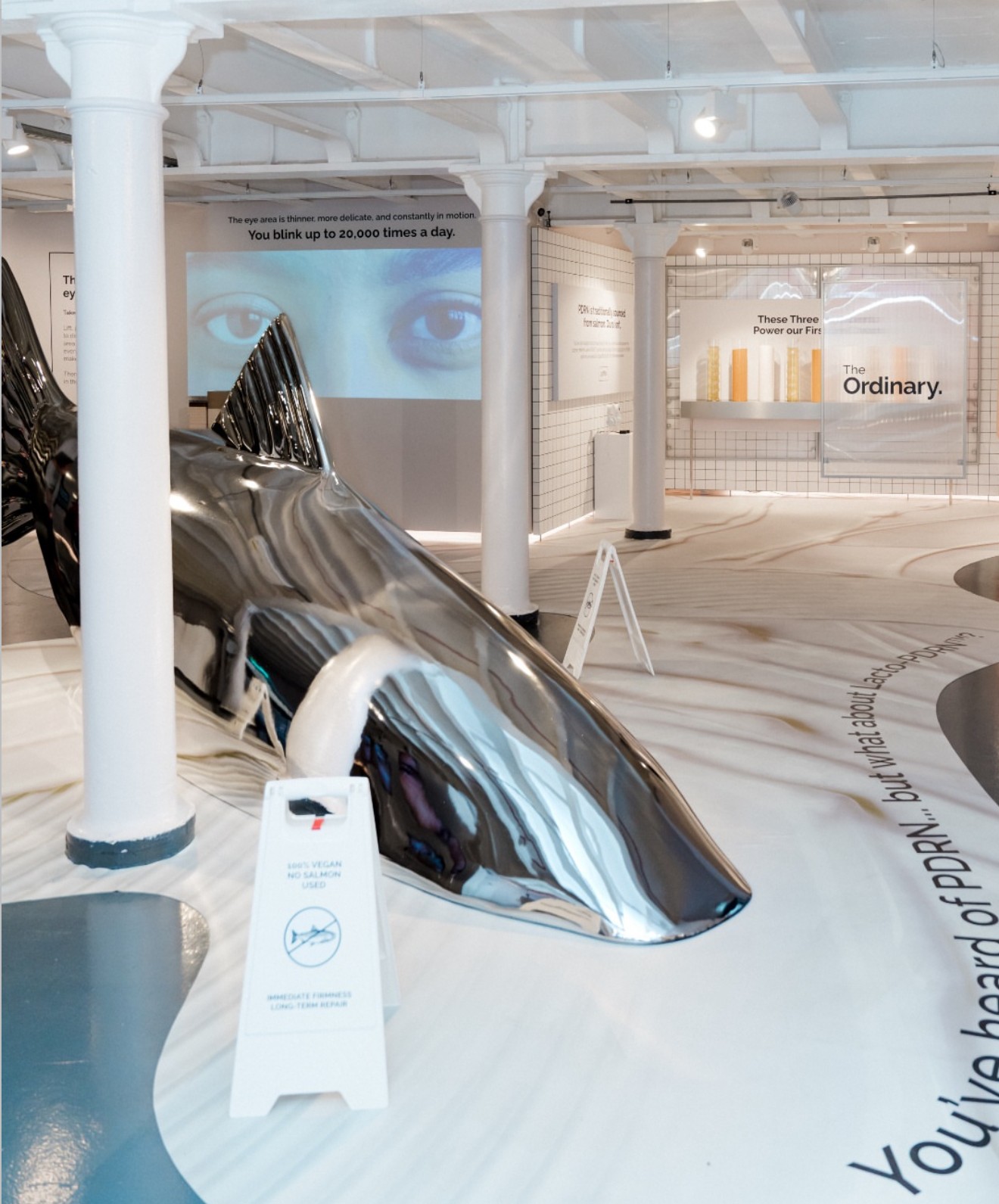
The Ordinary’s PDRN: Off the Hook pop-up in London.
The Ordinary Built a Giant Salmon for an Eye Cream
The Ordinary turned one slightly confusing skincare ingredient into a giant silver fish in London - and, accidentally or not, gave a pretty good lesson in modern beauty marketing.
Last weekend, there was a giant chrome salmon sitting in the middle of a London skincare pop-up.
It was there for The Ordinary’s new Lacto-PDRN 4% + B9 Eye Cream - the brand’s first eye cream - and for once, the ridiculous prop actually made sense.
PDRN has been everywhere lately. It is one of those beauty ingredients that suddenly starts appearing in TikToks, treatment menus and product launches before most people have worked out what it actually is.
Traditionally, PDRN is associated with salmon-derived DNA fragments. The Ordinary’s version is different: it uses a vegan, biotech-derived alternative.
So the giant salmon was basically the joke, the explanation and the marketing campaign all at once.
The fish was the point
The pop-up, called PDRN: Off the Hook, took over The Stables on Earlham Street in London from 11 to 13 September.
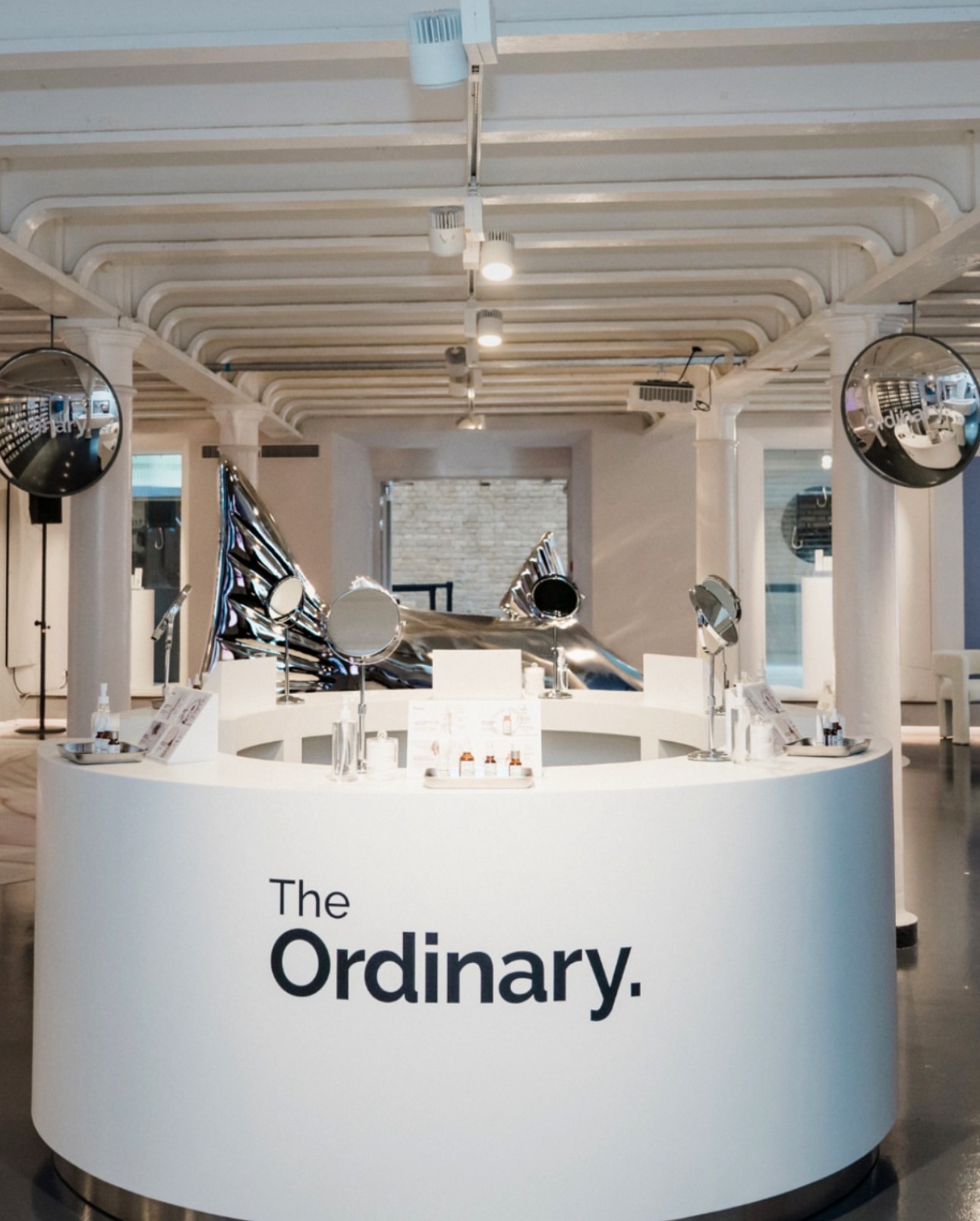
Inside, visitors could open tins to discover ingredient information, play skincare games, learn how the formulation worked and try the product for themselves.
There were masterclasses too, covering things like eye ageing and PDRN routines.
It sounds a little absurd written out like that.
But that is probably why it worked.
The Ordinary could have launched the product in the usual way with clean campaign images, a few clinical claims, a long ingredient page and maybe a dermatologist explaining everything on Instagram.
Instead, it took the slightly awkward part of the product story - PDRN usually makes people think of salmon, but ours is vegan - and made that the entire experience.
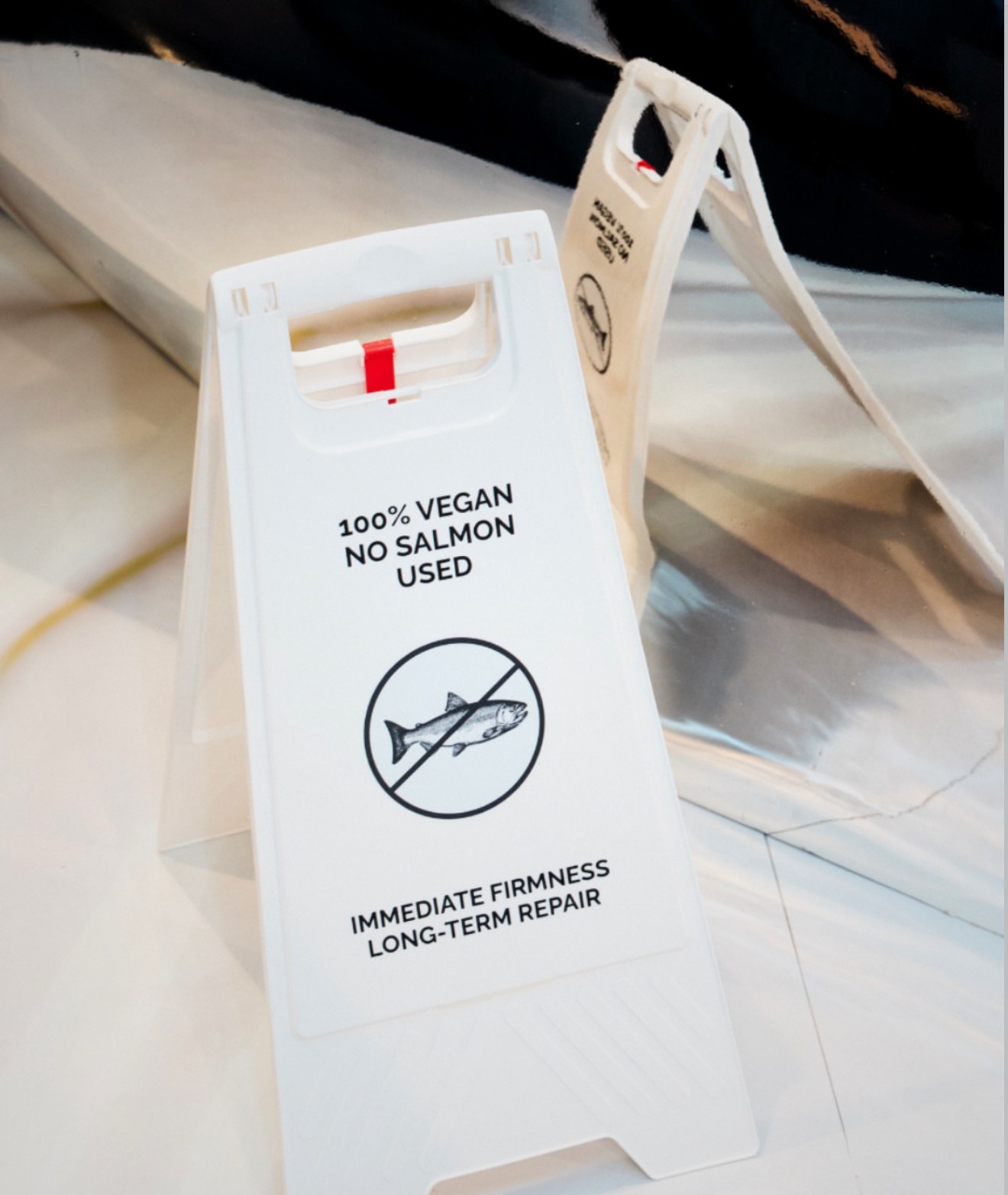
The thing that could have required three paragraphs to explain became one giant fish.
That is good marketing.
Beauty has an information problem
Skincare has become strangely academic.
We talk about peptides, exosomes, retinoids, growth factors and PDRN as if everyone has secretly completed a cosmetic chemistry degree.
A lot of beauty marketing now depends on making a product sound scientifically impressive, but the more technical the language gets, the easier it is for customers to stop understanding what they are actually buying.
The Ordinary has always played with that tension.
Its packaging looks almost pharmaceutical. Product names often sound closer to chemistry notes than traditional beauty branding. But beneath that very clinical exterior, the brand’s real appeal has always been simplicity: tell people what the ingredient is, tell them roughly what it does and remove as much mystery as possible.
The London pop-up took that same idea and made it physical.
Instead of asking people to read about PDRN, it gave them something to touch, open, play with and remember.
And memory matters.
You may forget a paragraph about biotech fermentation.
You probably will not forget a seven-foot silver salmon.
The era of the useful pop-up
Beauty brands love a pop-up.
Usually there is a giant version of the product, a mirror, some sort of photo moment and possibly a free drink.
The goal is obvious: get people inside, get them to post, get the product into the background of as many Instagram Stories as possible.
The interesting thing about Off the Hook is that The Ordinary did not really separate the Instagram moment from the product education.
The salmon was visually ridiculous enough to attract attention, but it also explained the most important part of the product story.
The games were entertainment, but they were also teaching people what they were buying.
The installation looked fun, but the fun had a purpose.
That distinction sounds small, but it is probably why the whole thing feels smarter than another branded room designed purely for selfies.
Good experiential marketing does not just create a backdrop.
It gives people a reason to talk about the product after they leave.
A very expensive product manual
In a way, the whole thing was basically a very elaborate instruction leaflet.
Except instead of tiny text folded inside a box, there was a chrome fish, skincare trivia and a room full of people voluntarily learning about an ingredient.
And that might be the cleverest part.
Consumers are increasingly suspicious of marketing that feels like marketing. They scroll past ads, skip brand films and can spot an overly polished campaign in about half a second.
But give them something genuinely strange, useful or entertaining and suddenly the conversation changes.
You are no longer saying:
Here is our new eye cream.
You are saying:
Why is there a giant salmon in Covent Garden?
And once someone asks that question, the brand has already done half the work.
The Ordinary did not invent experiential beauty marketing here.
But it did something more interesting than simply making a product bigger and putting it in a room.
It turned a complicated ingredient story into a visual joke people could understand almost instantly.
Which is probably the best argument for the modern pop-up: if a brand is going to build an entire world around one product, that world should help explain why the product exists in the first place.
Even if that explanation happens to be a giant silver fish.
Article Tags
Beauty, The Ordinary, Skincare, PDRN, London, Pop-Up, Brand Experience
Continue Reading
The Glow After Letter
A thoughtful dispatch, once a week.